
Disability is a part of diversity. It's time we treat Disability Pride like other Prides.
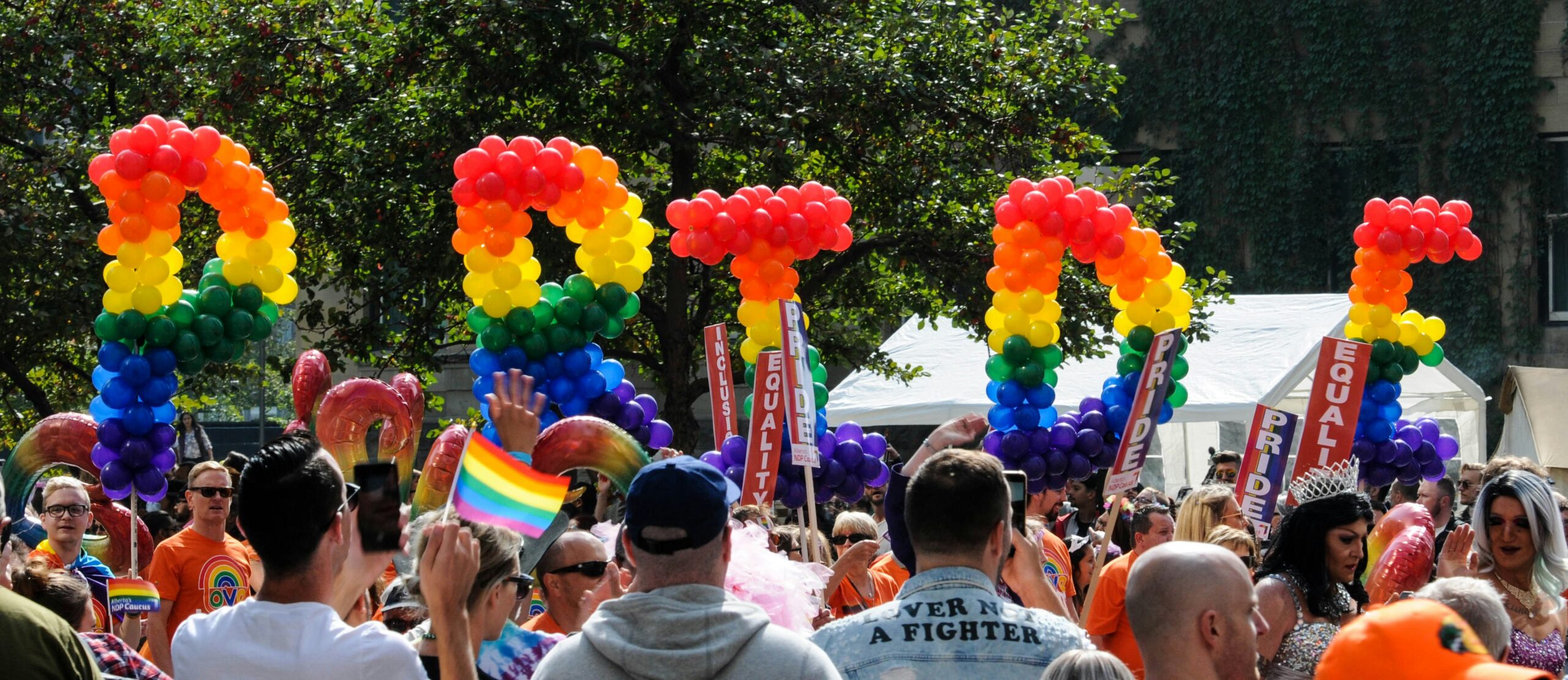
Happy Pride Month, neurodivergent fam! Even as a straight cishet woman, I still find LGBTQIA+ Pride such a beautiful thing. It’s so inspiring to see people advocating for their rights and identities, and creatively expressing how they love and identify. In the face of bigotry and hatred to the point of death threats and repressive laws, these people show up with joy and celebrate themselves. With all the colors, the music and dancing, and the costumes and performances, I imagine Pride is such a sight to behold! I’ve never been because of my sensory issues, but I look forward to Pride Month and Cincinnati Pride every year.
Thinking about Pride Month has me thinking about the ways we celebrate other months based on other parts of people’s identity, like race and gender. Black History Month, Women’s History Month, Hispanic Heritage Month, AAPI Heritage Month, and Native American Heritage Month are all widely recognized and celebrated. And they should be! It’s great to see communities embracing what makes them special through their traditions and customs. Plus it makes me happy to see voices that have been historically suppressed and silenced receive a platform and have their contributions to America and the world recognized. I’m happy to see that even in these trying times, the world is still embracing diversity more and more. This is how we defeat ignorance and the bigotry that comes with it to build a better world for our descendants.
But I’ve long felt that the push for “diversity” isn’t truly diverse. A key component is missing because it gets forgotten about. It’s recognized as a legal “protected class”, sure, but unless you’re an employer or a lawyer, you don’t think too much about it unless it affects you.
What am I talking about? Disability Pride. Ask anyone on the street when Disability Pride Month is, and most people will give you a confused look. Few people will be able to tell you about any notable people with disabilities, past or present. I didn’t even know we had our own pride flag until a few years ago!
Most conversations about diversity center around racial justice and the rights of women and the LGBTQIA+ community. And I understand and fully respect the importance of these topics. People who aren’t white have long faced systemic racism and other barriers to living a good life. LGBTQIA+ people have to fight everyday to gain and keep the rights to marry who they love, receive the medical care they need, and freely express who they are on the inside. And as a woman myself, I know all too well the struggles we face in our fight for gender equality and the dangers we constantly face. I’ve helped fight for a feminist future by educating myself and others, attending Women’s March events and signing petitions. And I absolutely support BLM and the other movements to erase hatred and ignorance and create a more just, equitable world.
But disability deserves to be part of the conversation too. People with disabilities face similar struggles as other minorities. Our people are judged, misunderstood, and looked down on for something we can’t help but be. We face bullying as kids and adults for our condition. We have to put up with people who think they’re saviors and help us when we don’t need help, or “advocate” for us by speaking over us because they think we can’t speak for ourselves. And whenever we accomplish something, it’s “in spite of” our disability because people only see our struggles and the things we can’t do. And we’re forced to navigate a world that doesn’t always work well for people like us because our voices and presence were squandered for so long. And of course, there’s the issue of how disability and neurodivergence are portrayed in the media, social media, and in pop culture, which I’ll get to in another post.
On the other hand, people with disabilities also face a lot of unique struggles. I can’t speak for the entire disability community, of course, since my “disability” is only neurodivergence. But neurodivergents struggle with sensory issues that, unfortunately, can be easily triggered by things in our world that seem perfectly normal to others. I, for example, have difficulty processing audio, visual, and tactile input at times. Flashing lights and loud noises can be overwhelming for me, so I can’t do things like raves/clubs (unless it’s a silent disco, since I can control the volume), concerts, or live sports. Even the sirens on an emergency vehicle are enough to hurt my ears. I can’t wear certain fabrics like sequins because they irritate my skin, and I don’t like having things around my throat so I can’t wear turtlenecks or scarves for very long. I also don’t like certain foods like cottage cheese or grits because the texture bothers me.
And finally, there’s the issue of how narrowly disabilities are viewed. When most people think of the word “disability”, the first thing that comes to mind is neurodivergence, specifically autism and ADHD. Autism and ADHD are some of the neurodivergent conditions, and it’s great seeing them get more recognition in medicine and society! But autism and ADHD aren’t the only conditions that fall under the neurodivergent umbrella. Depression/anxiety, eating disorders, schizophrenia, dyslexia, social anxiety, insomnia, PTSD, psychosis, borderline personality disorder, OCD, and a whole lot of others also fall under neurodivergence, and deserve to be recognized as such. Disability is also much wider than simply neurodivergence. Sensory disabilities, psychiatric/mental health disabilities, non-apparent disabilities, and physical disabilities also exist. And regardless of whether the disability is visible or invisible, every person across the world with a disability should be recognized and feel proud, accepted and included.
So what can we do? Well, July is Disability Pride Month in America, because the Americans with Disabilities Act (ADA) was signed into law on July 26, 1990! During LGBTQ Pride Month and all the various heritage and history months, there’s all kinds of celebrations, community events, performances, and educational events for people in group and those outside of it. I can’t speak for everyone in the disability community of course, but I think it would be amazing if we could do something similar for Disability Pride throughout the month of July. Sensory-friendly and accessible festivals for more extroverted people, calm and low energy meet and greets for the more introverted, workshops and forums led by disabled people, promotion of businesses owned or led by people with disabilities, publicly flying Disability Pride flags, and more! And during the other 11 months of the year, we should be working to build and maintain local communities, educating ourselves and others, countering misinformation and ableism, and sharing our stories.
Because at the end of the day, disability is diversity. I spent much of my childhood feeling ashamed of my autism and wishing I was “normal”, and I don’t want the kids of today or tomorrow feeling the same way. No human being should ever have to go through life hating themselves for being different or feeling like they don’t belong because of who they are.
0 Comments