
The science of comfort objects
When most people think of comfort items, they picture a small child holding a security blanket or stuffed animal they cherish. And to be fair, a lot of children do have a security item when they’re very young. But what some may not realize is that there are also neurodivergent adults who engage in this behavior! It’s especially common in autisitc adults! Why practice a habit that seems “childish”? Let’s take a look.
First, what are comfort objects? LifeStance Health defines them as “Personal items that provide reassurance, emotional support, and a sense of familiarity. Also called transitional objects, they are often used during periods of change or stress”. LifeStance notes that while comfort objects can be usual items like stuffed animals, pillows or blankets, they can also be more discrete objects such as a favorite article of clothing or jewelry, a small keepsake or trinket, or even a comforting photo. They can even be scented items like a scarf belonging to a loved one! Think of it like wearing a wedding ring or a locket to remind you of a loved one, or holding onto to the possessions of someone who passed on to remember them by. Except in this case, they bring comfort in moments of need instead of nostalgia or memories.
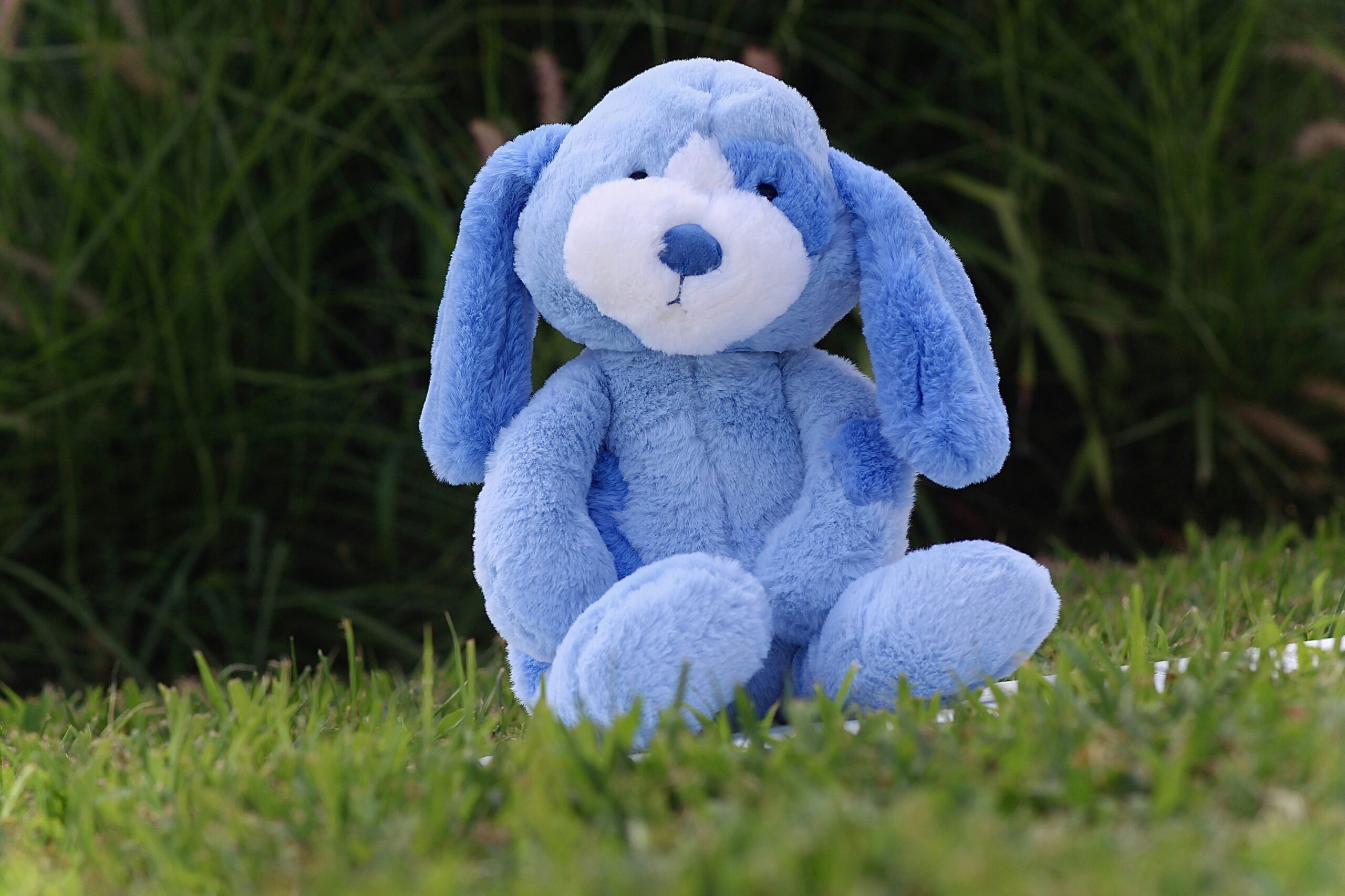
There are a multitude of needs neurodivergents have that comfort items can help with. Cory Morrison of Autism Parenting Magazine explores this in his article “Autism and Stuffed Animals: How Do They Help?”. He says, “Stuffed animals have great sensory regulation benefits. Many autistic people have stronger sensory sensitivities, which can be very important for tactile experiences. The feel of a plush toy can be a gentle sensory experience that may soften a person during times of anxiety or overload…Apart from the regulation and comfort, there are numerous other benefits that stuffed animals give to autistic individuals. Plush toys also encourage imaginative and creative play in children…In addition, stuffed animals could help with emotional regulation. Children who have difficulties understanding or processing emotions might find their fluffy friends an easier way to express those emotions”. Morrison also notes that these same perks can also aid autistic adults. He writes, “Sometimes, these stuffed animal relationships can extend into adulthood. For many adults on the autism spectrum, comfort, emotional security, and sensory regulation may still come from cuddly toys. Holding or sleeping with a stuffed animal can be an effective way to manage anxiety, especially in stressful situations like medical appointments or travel…many autistic adults understand the value these objects bring to their lives. The attachment to them is healthy and serves effectively in carrying out self-regulation”. While Morrison’s article specifcally talks about stuffed animals, the sensory and emotional reactions that he describes can also be applied to the other kinds of comfort objects listed in LifeStance’s article. Touch, after all, is a very powerful sense, and can influence the mind and body of anyone, regardless of neurotype. A hug from a loved one, wrapping yourself in a blanket, or laying down on a bed brings feelings of warmth and comfort because the brain sends signals that it’s safe, allowing the rest of the body to relax and rest. Comfort objects allow the neurodivergent brain to send safety signals in situations of high stress or anxiety, allowing neurodivergents to regulate their emotions until the brain sends an “all clear” notification. This prevents panic attacks, meltdowns and other emotional outbursts.
So next time you see an adult in public holding a plushie or blanket, try not to judge them or assume they’re being childish. Remember that neurodivergents are more physcially and emotionally sensitive than average, and that soft sensory input and familiarity brings comfort. That person may be feeling very upset or anxious, and that stuffed animal or other object calms them down. And judging glances or stares will only heighten their distress. So be kind and leave them be. Maybe send them a thought wishing them well.
Thank you for taking the time to read this today. And as always, keep blooming.
Sources:
https://lifestance.com/blog/psychological-benefits-comfort-objects
https://www.autismparentingmagazine.com/autism-and-stuffed-animals/
0 Comments