
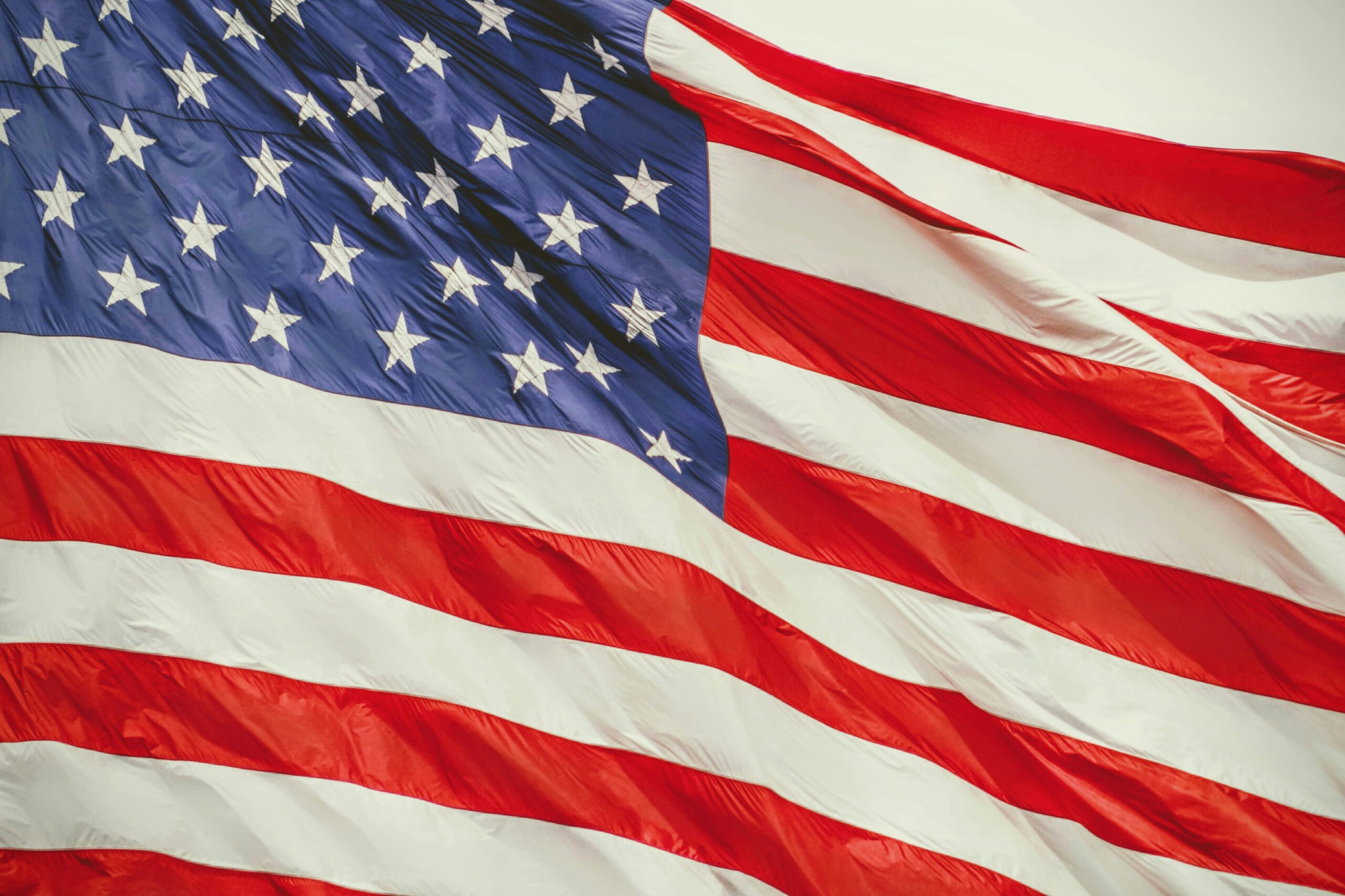
The Fourth of July and similar holidays can easily cause neurodivergent sensory overload. How do we make them more inclusive?
This week is going to be a very interesting one for me. Not only was my birthday yesterday, but the Fourth of July is this weekend! With America turning 250 on Saturday, I thought I’d take a moment to share what American holidays and celebrations are like for the neurodivergent mind, using my own experiences as an example.
American culture is also very loud and flashy, I’ve noticed. Our huge celebrations are a prime example. Independence Day is filled with parades and festivals during the day, and then fireworks in every direction you turn at night. And with this year being the 250th anniversary, it’s bound to be even bigger! And it’s not just the Fourth of July that gets a big celebration - New Year’s, Memorial Day, Labor Day, and Veteran’s Day are also filled to the brim with events. Including - you guessed it - fireworks! There’s also smaller celebrations in select parts of the country on other holidays, like the Macy’s Thanksgiving Day Parade in New York City, Mardi Gras in New Orleans, and some St. Patrick’s Day parades in cities with a large Irish heritage. These celebrations tend to be smaller and only involve a parade and maybe a festival.
While I love holidays in America, I’ve unfortunately found they’re not very accessible for neurodivergents. I personally am okay with fireworks, but I understand why many others on the neurodivergent spectrum aren’t. While they’re certainly beautiful, they’re also bright and very loud! Bright flashes against a dark background and in a dark atmospehre can easily overwhelm a neurodivergent with sensory processing challenges, as I’ve often found myself. It’s why I can’t attend events like light shows for very long, if at all. And the quick repetition of loud sounds, especially harsh ones like loud pops, can also be hard on the senses. Fireworks are especially difficult for neurodivergents with PTSD and other trauma disorders, as the flash and blast from the sound can trigger unwanted memories, leading to panic as the body goes into fight or flight mode.
Parades can also be very overstimulating, as I’ve found from attending parades as a kid. The large crowd makes it feel like you’re trapped in a tight space. And then the crowd gets noisy as they start cheering, and there’s a mad scramble for candy, which just adds pressure and more audio input. But the hardest part about parades has got to be the parade itself. The marching bands sound nice, but when you’re already surrounded by thousands of people cheering, it just becomes another level of noise your brain is trying to process. But the hardest part is definitely the emergency vehicles honking their horns and sounding their sirens. On a regular day, these are already ear-piercing and hard to handle from their excessive volume. But add these blaring noises on top of the sounds of the band and the crowd, and it’s enough to blue screen a neurodivergent brain from overloading it with a million things to process at once.
Festivals are probably the least problematic for neurodivergents out of all the celebratory activities here. Festivals at least have quieter areas where we can go if we need to get away, or even areas outside the festival away from the noise, crowds and any other triggers to allow us to decompress for a while. And they’re easy to escape if we absolutely have to get away. Plus festivals are more likely to have things there that interest us, like art or animals! But there’s still two critical issues - large crowds and lots of sensory input. Even when walking, a large crowd can still be challenging for a neurodivergent, because it feels like walking through a hallway so narrow, the walls are practically hugging you. And on top of that, there’s obstacles you have to figure out how to navigate around while trying to navigate to your destination. So your mind is trying to process the sensory input of feeling nearly confined while also determining a route and navigating a course. Plus you’re constantly surrounded by sensory stimulants your brain is picking up on, whether consciously or unconsciously. The sight and noises of the people around you, all the different colorful and unusual things to look at, the music, vendors calling out to buy from them or play their game, the smells of all the different foods, the heat of the crowd and the summer sun. That’s a lot for the brain to juggle at once! Which is why, eventually, it gets overwhelmed (overstimulated) and fatigued.
So how can we make American celebrations more inclusive? Thanks to modern technology, we now have drones that not only fly silently, but glow brightly instead of producing blinding flashes. Drone shows specifically for neurodivergents would be a more sensory-friendly way to include the people in my community in celebrations while keeping fireworks for people who want those instead. Plus you can do things with drones that you can’t do with fireworks, like form a moving shape! In fact, maybe we could also find a way to do sensory-friendly parades! And I’m sure somewhere out there, there’s been successful sensory-friendly festivals! I mean, it doesn’t seem like it would be that hard to do!
Because it’s important to remember that neurodivergent Americans are part of the population. If we want to join in on the fun and express our patriotism, we should be able to have spaces to celebrate where we won’t be triggered or overstimulated. Diversity is, after all, part of what makes America great. We need to stand by that value.
(This is Part 1 of a 2 part series. Part 2, which discusses my experience with more intimate holidays like Christmas, will be posted in December.)
0 Comments